
Essential Strategies for Successfully Listing Your Home to Sell in the New Year
Updated: Sep 15
Selling a home can feel overwhelming, especially if it’s your first time. The new year often brings fresh opportunities and a renewed market, making it an ideal time to list your property. To help you navigate this process confidently, this guide covers key strategies that increase your chances of a successful sale. From preparing your home and setting the right price to timing your listing and staging your space, these practical tips will support you every step of the way.
Preparing Your Home for the Market
Before you list your home, it’s crucial to make a strong first impression. Buyers often decide within seconds if they want to explore a property further. Here’s how to get your home ready:
Declutter and Clean
Remove personal items, excess furniture, and clutter. A tidy space looks larger and allows buyers to imagine their own belongings in the home. Deep clean every room, paying special attention to kitchens and bathrooms.
Make Necessary Repairs
Fix leaky faucets, squeaky doors, cracked tiles, and chipped paint. Small repairs can prevent buyers from questioning the overall condition of your home.
Enhance Curb Appeal
The exterior is the first thing buyers see. Keep the lawn mowed, trim bushes, plant fresh flowers, and tidy up walkways. A newly painted front door or updated house numbers can instantly boost curb appeal. In winter, be sure to clear snow and ice from walkways and driveways for safety and easy access. Don’t forget to clean gutters and downspouts to prevent ice dams and potential water damage.
Update Lighting
Bright spaces feel welcoming. Replace dim bulbs with brighter, energy-efficient ones. Open curtains to let in natural light during showings.
Neutralize Your Space
Use neutral colors on walls and décor to appeal to a wider audience. Bold colors or unique décor might distract or deter potential buyers.
Taking these steps can increase your home’s appeal and help it stand out in a competitive market.
Setting the Right Price
Pricing your home correctly is one of the most important factors in a successful sale. Price it too high, and it may sit on the market; too low, and you risk losing money.
Research Comparable Sales
Look at recent sales of similar homes in your neighborhood. Pay attention to size, condition, and features to find a realistic price range.
Consult a Real Estate Agent
Experienced agents have access to detailed market data and can provide a comparative market analysis (CMA). Their insights help you set a competitive price.
Consider Market Conditions
The housing market fluctuates. In a seller’s market, you might price slightly higher due to demand. In a buyer’s market, pricing competitively is key to attracting offers.
Avoid Overpricing
Overpriced homes often stay on the market longer, which can create a negative perception. Buyers may assume there’s something wrong or expect price reductions.
Be Open to Adjustments
If your home isn’t attracting interest after a few weeks, be ready to lower the price. Flexibility can lead to a quicker sale.
Setting the right price helps generate interest and can lead to multiple offers, giving you more negotiating power.
Timing Your Listing for Maximum Visibility
When you list your home can affect how quickly it sells and the price you get.
Early Spring and Late Winter Are Prime Times
Many buyers start looking as the weather improves. Listing your home in late winter or early spring can capture this surge in demand.
Consider Local Market Trends
Some areas have unique selling seasons. Research your local market or ask a real estate professional about the best times to list.
List Early in the Week
Homes listed on Monday or Tuesday tend to get more attention during the week and weekend showings.
Use Market Data to Your Advantage
If your area is experiencing a seller’s market with low inventory, listing sooner rather than later can help you capitalize on demand.
Timing your listing strategically can increase visibility and attract more potential buyers.
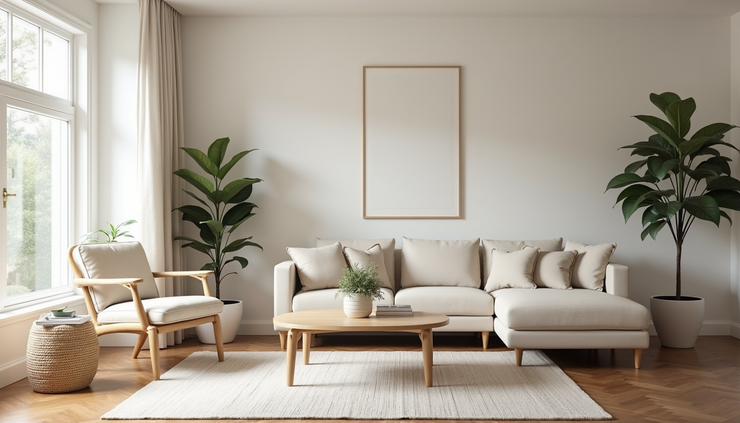
Tips for Staging and Showing Your Home
Staging your home helps buyers see its potential and can lead to faster sales and higher offers.
Highlight Key Features
Arrange furniture to showcase spaciousness and flow. Draw attention to fireplaces, large windows, or built-in shelving.
Create a Welcoming Atmosphere
Use soft lighting, fresh flowers, and pleasant scents like vanilla or citrus. Avoid strong odors from pets or cooking.
Depersonalize the Space
Remove family photos and personal collections. Buyers want to picture themselves living there, not feel like guests in someone else’s home.
Keep It Clean and Tidy
Before every showing, clean thoroughly and tidy up. Pay attention to floors, countertops, and bathrooms.
Be Flexible with Showings
The more available you are for showings, the more buyers can see your home. Consider allowing virtual tours for remote buyers.
Provide Informative Materials
Leave brochures or fact sheets with details about the home, neighborhood, and nearby amenities.
Effective staging and showing create a positive experience that helps buyers connect emotionally with your home.
Understanding Current Market Trends
The housing market in the new year often reflects broader economic factors such as interest rates, inventory levels, and buyer demand.
Interest Rates Impact Buyer Affordability
Recent trends show fluctuating mortgage rates. Lower rates increase buyer purchasing power.
Inventory Levels Affect Competition
In many areas, housing inventory remains tight, favoring sellers. Limited options encourage buyers to act quickly.
Buyer Preferences Are Shifting
More buyers seek homes with flexible spaces for remote work, outdoor areas, and energy-efficient features.
Technology Plays a Bigger Role
Virtual tours, online listings, and digital paperwork streamline the buying process.
First-Time Buyers Are Active
Many first-time buyers enter the market early in the year, motivated by tax refunds and life changes.
Staying informed about these trends helps you position your home effectively and anticipate buyer expectations.
Advice for First-Time Sellers
Selling your home for the first time can feel like uncharted territory. Here are some tips to help you stay confident:
Work with a Trusted Agent
Choose an agent who communicates clearly and understands your goals. Their expertise can guide you through pricing, marketing, and negotiations.
Understand the Costs Involved
Selling a home includes expenses like agent commissions, repairs, staging, and closing costs. Budget accordingly.
Be Patient but Proactive
The process can take weeks or months. Stay engaged, respond quickly to offers, and be ready to make decisions.
Prepare for Negotiations
Buyers may request repairs or price reductions. Decide in advance what you’re willing to accept.
Keep Emotions in Check
Selling a home can be emotional, especially if it holds memories. Focus on your goals and the next chapter.
Learn About the Legal Process
Understand contracts, disclosures, and deadlines. Your agent or attorney can help explain these details.
With the right preparation and mindset, first-time sellers can navigate the process smoothly and achieve a successful sale.
Dan Nutt
Elevate to Close📱 1-815-527-6537
💻Schedule Online at: elevatetoclose.com
Real Estate Is a Strategy Game—Let’s Win It Together.


